glass bottle manufacturers products
The Craft of Glass Packaging: Transforming Your Brand With Premium Glass Bottles
The craft of glass packaging provides brands with an exceptional opportunity for distinction. By embracing sustainable methods, glass bottles elevate brand aesthetics and connect with sustainability-minded shoppers. Their inherent qualities, including recyclability and chemical safety, demonstrate a steadfast commitment to excellence. As companies move through this changing environment, grasping the diverse advantages and obstacles of glass packaging is critical for sustained growth. What innovative strategies are brands employing to maximize these advantages?
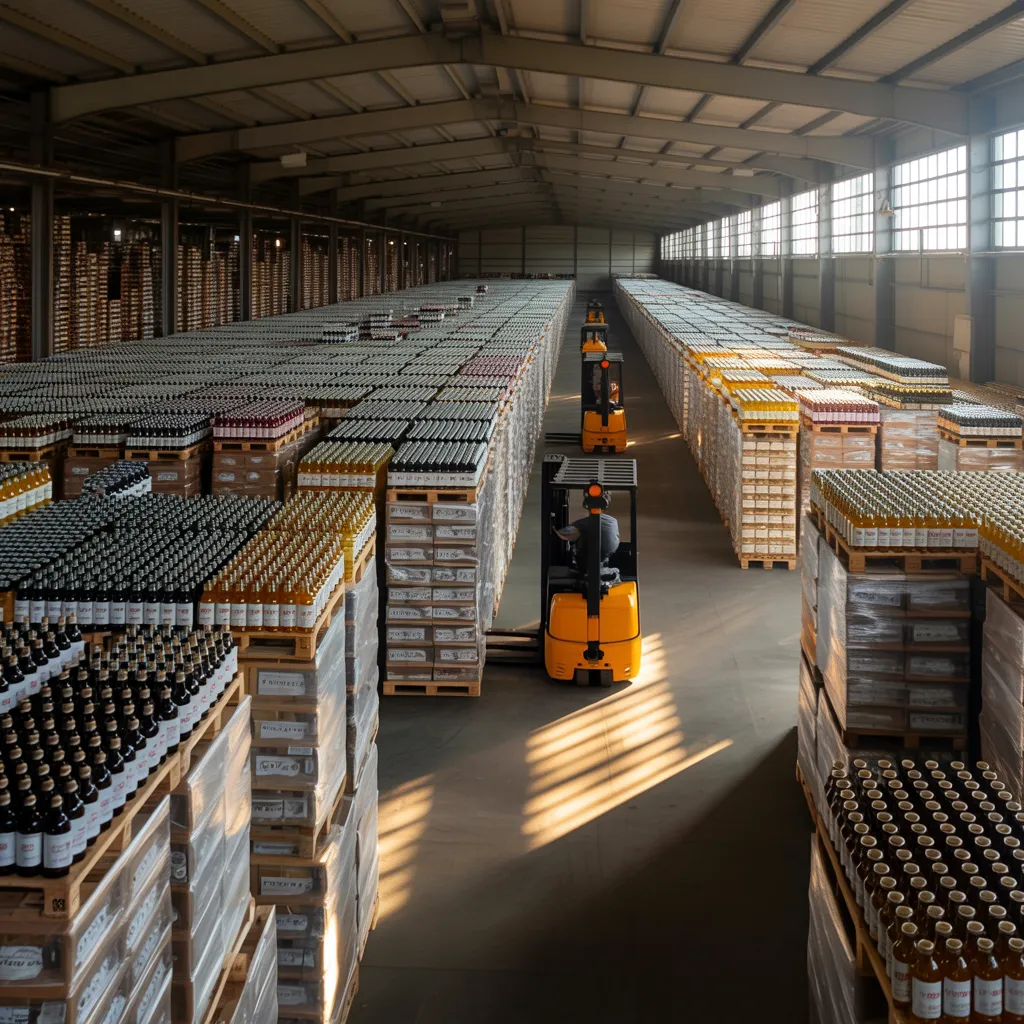
Why Choose Glass Packaging for Your Brand
Opting for glass packaging can considerably elevate a brand's reputation and sustainability efforts. Companies that choose glass packaging demonstrate a commitment to quality and exceptional product encounters, attracting selective buyers who recognize the importance of design and utility. Glass delivers a timeless and elegant appearance, strengthening a brand's visual presence while delivering a physical interaction that no alternative material can equal.
Furthermore, glass packaging communicates a feeling of wholesomeness and reliability, as it is free from hazardous ingredients typically contained in plastics. This selection can engage eco-aware shoppers who associate glass with responsible practices. Additionally, its resilience permits repeated utilization, additionally affirming a brand's devotion to sustainable principles.
In an industry increasingly focused on environmental impact, embracing glass packaging solutions can distinguish a brand building loyalty and enhancing consumer trust. In the end, this calculated move places brands at the forefront of quality and environmental responsibility, reflecting modern consumer values.
The Environmental Advantages of Glass Bottles
Glass bottles present significant sustainability benefits that differentiate them from other packaging materials. Glass bottles are 100% recyclable, promoting a sustainable economy where resources can be continuously repurposed without loss of quality. This characteristic considerably decreases the reliance on virgin materials, thus reducing natural resource extraction and energy expenditure linked to the production process.
Moreover, glass packaging is non-reactive, meaning it does not leach dangerous compounds into its contents, ensuring more secure consumption. As opposed to plastic, glass does not promote microplastic pollution, which is a mounting environmental problem.
The production of glass bottles also generates lower greenhouse gas emissions compared to plastic alternatives. Thanks to innovations in manufacturing processes, energy efficiency has improved, further reducing the environmental impact associated with producing glass.
Unique Designs That Transform Glass Packaging
Creative designs in glass vessels are reshaping how products are perceived. Original silhouettes and configurations not only enhance functionality but also attract consumer attention. Furthermore, striking color combinations further boost the overall appearance, making glass packaging stand out on shelves.
One-of-a-Kind Shapes and Structures
Innovative concepts in glass-based packaging not only boost visual impact but also fulfill an important purpose in setting brands apart. Distinctive forms and designs can create memorable consumer experiences, helping products distinguish themselves on busy retail displays. For instance, bottles with asymmetrical shapes or geometric patterns can inspire intrigue and promote exploration. These original shapes often reflect a brand's personality, supporting its overarching mission and beliefs. Additionally, distinct shapes can improve functionality, like more comfortable use or superior flow. Brands that invest in creative glass designs convey a devotion to craftsmanship and eco-consciousness, attracting environmentally conscious consumers. When focusing on distinctiveness in their packaging designs, companies can foster deeper connections with their audience, thereby boosting brand loyalty and expanding market visibility.
Visually Striking Color Palettes
Dynamic color schemes are fundamental in enhancing glass packaging, converting standard bottles into captivating visual expressions. By employing a strategic blend of hues, companies can stir feelings and craft lasting impressions for customers. Vivid hues can communicate exceptional value, whereas gentler shades can express refinement and elegance.
Moreover, the use of multi-toned designs and gradients brings depth and sophistication, commanding attention on competitive shelves. Eco-conscious practices additionally boost the appeal; sustainable dyes and finishes appeal to environmentally aware consumers. In the end, the ideal color palette not only captures a brand's essence but also underscores its pledge to sustainability, positioning glass packaging as a compelling differentiator in a competitive marketplace.
In What Ways Does Glass Packaging Improve Product Perception?
Glass packaging significantly elevates product perception via its upscale feel and visual appeal, evoking a feeling of luxury among consumers. The natural clarity and see-through quality of glass offer consumers an unrestricted look at the product, strengthening the perception of quality. Furthermore, glass packaging supports environmentally responsible brand values, appealing to environmentally conscious consumers.
Outstanding Feel And Appeal
Utilizing glass packaging greatly elevates the recognized quality of a product, frequently linking it to quality and elegance. Consumers frequently associate glass with high-end appeal, contributing to stronger brand dedication and positive consumer experiences. The sensory quality of glass, with its sleek finish and substance, establishes a luxurious sensation that plastic is unable to match. This experiential connection creates a connection between the product and the consumer, fostering a perception of excellence. Moreover, glass packaging reflects a focus on sustainability, resonating with sustainability-minded customers. Consequently, businesses employing glass containers can present themselves as superior choices within their markets, attracting discerning customers who appreciate both style and sustainability in their consumer decisions.
Clear Visual Transparency And Precision
When shoppers come across products in glass vessels, their experience is commonly improved by the inherent visual transparency and clarity it provides. This openness enables prospective customers to view the contents within, creating an atmosphere of reliability and credibility. The see-through nature of glass not only reveals the product's caliber but also accentuates its color and feel, boosting aesthetic attractiveness. Additionally, the absence of labeling distractions on clear glass allows the product to take center stage, creating a more engaging shopping experience. Glass containers can enhance brand image by communicating a dedication to excellence and artisanship. This see-through quality ultimately guides customer determinations, fostering a stronger sentimental bond with the product and the company.
Sustainable Brand Positioning
Sustainability-focused brands employ glass materials to solidify their pledge to environmental responsibility, effectively enhancing product perception. Glass projects an image of quality and authenticity, setting a higher standard compared to plastic alternatives. This material not only emphasizes the ecological values of a brand but also resonates with shoppers who value eco-conscious decisions. The tactile experience of glass—its weight and texture—further elevates the perceived value of the product. Furthermore, the recyclable nature of glass corresponds with the increasing consumer appetite for sustainable habits, cultivating customer loyalty. By selecting glass, brands not only highlight their devotion to environmental stewardship but also position their products as premium offerings, thereby cultivating a positive image in a competitive marketplace.
How Brands Are Winning With Glass Packaging
Numerous brands are flourishing by transitioning to glass packaging, highlighting its attractiveness to buyers and pledge to sustainable practices. For instance, a leading beverage company made the switch to glass bottles, leading to a 30% rise in sales within a year. The transition not only enhanced product visibility on shelves but also appealed to eco-conscious consumers, solidifying the brand's sustainability message.
A different skincare brand made a successful switch to glass containers, significantly enhancing its upscale appeal. This transition brought in a committed following that values both design quality and sustainable values. Furthermore, an artisan brewery embraced reusable glass containers, building brand loyalty while minimizing waste. These real-world cases show that glass solutions not only satisfy consumer demands for eco-friendly alternatives but also strengthens brand identity and market positioning. Such strategic choices reflect a growing trend among brands aiming to align their operations with sustainable practices while resonating with contemporary buyers.
How to Tackle Challenges in Glass Packaging
Managing the difficulties of glass packaging demands creative approaches and a keen understanding of the market. Businesses often face issues such as high production costs, weight-related challenges, and structural vulnerability. To address these, companies can adopt innovative fabrication processes that reduce waste and improve product strength. Collaborating with suppliers to obtain sustainable resources also mitigates environmental impact while appealing to eco-aware consumers.
Another challenge concerns the complexities of shipping, considering the substantial weight of explore the details glass. Utilizing advanced logistics approaches, encompassing improved shipping methods and efficient packaging solutions, can reduce expenses and ensure product protection while in transit. Moreover, educating consumers on the benefits of glass over plastic may cultivate customer loyalty and boost market demand. By embracing these strategies, organizations can address hurdles in glass packaging and establish themselves as pioneers in sustainable practices, thereby strengthening their brand reputation and market standing.
The Future of Sustainable Glass Packaging
As the demand for sustainable packaging continues to rise, the glass packaging industry is poised for transformative changes. Advancements in production methods are anticipated to improve energy performance, reducing the carbon footprint associated with glass production. Furthermore, the integration of lightweight glass bottles will establish itself as a major trend, decreasing transportation emissions while maintaining product integrity.
Recycling efforts will continue to strengthen, with increased collaboration between industry leaders and civic authorities to improve glass collection and processing. Moreover, the integration of smart technology into packaging will enable enhanced visibility across the supply chain, empowering companies to highlight their environmental commitments with impact.
Consumer preferences for eco-friendly products will also drive the development of tailored, visually appealing designs, marrying functionality with visual appeal. As companies increasingly embrace sustainable practices, the glass packaging market is prepared to reshape its direction, addressing wider ecological objectives while satisfying the demands of environmentally aware consumers.
Frequently Asked Questions
What Are the Costs Involved With Glass Packaging as Opposed to Plastic?
Glass packaging commonly involves increased expenditures owing to production, distribution, and recycling demands when compared to plastic alternatives. That said, it delivers environmental advantages and improved brand image, which can justify the investment for some businesses.
How Do I Customize Glass Bottles for My Brand?
Brands have the ability to tailor glass containers through unique shapes, colors, and finishes. Engraving, labeling, and printing designs elevate brand identity. Collaborating with vendors guarantees consistency with environmental objectives all while preserving both appearance and performance.
What Specific Regulations Apply to Glass Packaging?
Certainly, dedicated regulations for glass packaging have been established, distinct to each region. These include safety standards, labeling requirements, and recycling guidelines, guaranteeing consumer safety and environmental responsibility while encouraging sustainable practices in packaging manufacturing and distribution.
What Are the Top Best Practices for Recycling Glass Bottles?
To recycle glass bottles effectively, individuals should wash them thoroughly to clear out any remaining contents, take off the caps, and organize them according to color. Furthermore, they should review community recycling rules for designated drop-off sites to ensure correct handling and processing.
How Does Glass Packaging Impact Shipping and Logistics?
Glass packaging significantly impacts shipping operations and logistics by increasing weight and fragility, demanding meticulous handling and dedicated transportation methods. This may result in elevated costs and more intricate supply chain management relative to lighter and sturdier material alternatives.