Cardboard Boxes for Fruit and Vegetables: Eco-Friendly Fruit and Vegetable Boxes for Farmers
Crafting Perfect Bespoke Fresh Produce Boxes: A Comprehensive Walkthrough
Designing custom produce boxes calls for a strategic approach. Professionals must consider sustainability, practicality, and aesthetics. Selecting the suitable components is vital for preserving freshness and promoting eco-friendly methods. Additionally, size and configuration can significantly influence usability and transport efficiency. Effective visual elements strengthen brand recognition, while thorough assessment ensures longevity. Understanding these components will uncover key insights into creating exceptional packaging strategies that appeal with consumers. What comes next is vital to achieving those targets.
Picking the Ideal Resources for Custom Produce Boxes
When selecting materials for custom produce boxes, it is critical to assess both operational performance and environmental impact. The choice of material considerably affects the box's durability, weight, and function to preserve the contents. Common materials feature corrugated cardboard, which supplies strength and is able to be recycled, making it a preferred choice for sustainability-focused businesses. Decomposable options, such as molded pulp or plant-based plastics, also support sustainable practices while offering sufficient protection for delicate produce.
In addition, liquid resistance is indispensable for sustaining product quality, prompting some creators to examine conditioned compounds or tailored protective barriers. The aesthetic appeal of the box requires attention, as branding and visual presentation can influence market perception. Ultimately, the optimal choice should maintain proportion between safeguarding products, drawing in buyers, and following ecological standards, ensuring both functionality and sustainability are prioritized in the planning phase.
How to Decide on Size and Shape for Functionality?
When deciding on the size and shape of custom produce boxes, careful assessment of produce measurements is crucial for effective storage. Additionally, attention to handling and transport can affect the box structure, ensuring ease of movement. Maximizing shelf space usage further enhances functionality, allowing for efficient display and storage.
Evaluate Produce Measurements Carefully
Assessing the suitable size and shape for produce containers is fundamental for functionality and efficiency. Accurate assessment of product dimensions is critical, as it guarantees that items fit firmly without surplus room that could lead to damage during logistics and storage. Custom boxes need to accommodate various shapes, from soft-skinned fruits to heavy vegetables, while maintaining durability. Furthermore, the depth and height of the boxes should facilitate stacking and inventory management, optimizing space in storage areas. A expertly built box not only shields the produce but also enhances consumer attraction for buyers. To sum up, careful consideration of dimensions assists in minimizing losses and advancing buyer experience in the supply chain.
Think About Overseeing Handling and Transport
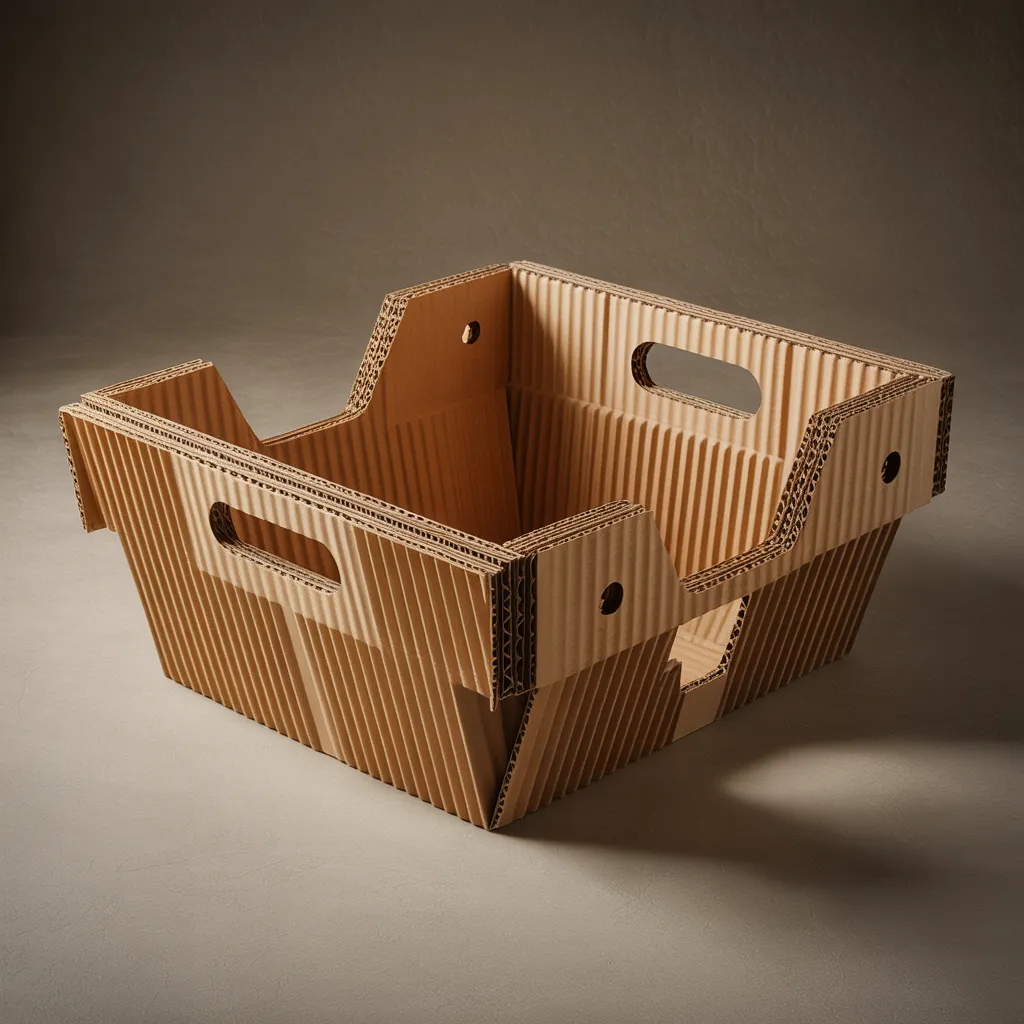
Handling and transport considerations play a significant role in determining the suitable size and contour of tailored agricultural boxes. The proportions should fit the produce lacking excessive room, this would lead to movement and damage throughout transport. Smaller, compact boxes provide more straightforward care, while larger boxes may become vital for bulkier items. Additionally, proper ergonomics is essential; grip areas and access ports should be positioned deliberately situated to allow for pleasant lifting combined with moving. The shape that makes up the packaging also influences nesting and balance, confirming that products keep protected. Ultimately, careful consideration of such factors enhances the streamlining in transport, lessens goods damage, and preserves the comprehensive quality of the produce from farm reaching consumer.
Improve Retail Space Management
Optimal shelf space usage is determined by picking the best size and shape of custom produce boxes. Teams should examine the dimensions of the shelving units as well as the types of foodstuffs being maintained. Box-shaped boxes often promote efficient use of space, supporting for improved arrangement and fitting. However, distinctive shapes can amplify attractive appearance but may generate excess space if not appropriately mapped out.
It's essential to assess the stock movement metrics; quick-selling products might gain advantages with compact, readily reachable containers. Furthermore, incorporating adjustable or modular designs can accommodate varying sizes of produce while improving display arrangement. By emphasizing practical design combined with visual appeal, businesses can create a practical and visually appealing display that enhances both accessibility and product visibility.
How to Generate Graphics That Attract Attention?
Striking graphics can turn a simple custom produce box into a artistic creation that captures attention. To accomplish this, designers should begin by picking a color palette that reflects the freshness and vibrancy of the produce. Bold, eye-catching colors can trigger feelings of freshness and vitality, pushing consumers to take a deeper glance.
Using bold typography is also essential; readable typefaces can effectively communicate key details while improving visual appeal. Furthermore, incorporating premium photographs of the items can establish instant rapport, displaying the product's quality and enticing prospective customers.
Furthermore, adding distinctive designs and visuals can help distinguish the brand in a crowded market. Consistency in design elements, such as logos and taglines, reinforces brand identity. Ultimately, a blend of creativity and clarity in graphic design can greatly elevate the impact of custom produce boxes, making them stand out on shelves.
Sustainable Practices for Custom Produce Box Packaging
An growing number of businesses are implementing eco-friendly practices for custom produce box packaging, recognizing its necessity in today's green-minded market. These methods often involve the use of biodegradable materials, such as recycled paper and plant-based plastics, which minimize environmental impact. Companies are also focusing on sustainable sourcing, ensuring that materials are obtained from responsibly managed forests or suppliers who prioritize environmental stewardship.
Furthermore, numerous brands are going with minimalist designs that minimize waste while still efficiently highlighting their products. This approach not only appeals to eco-aware consumers but also assists in reducing production costs. Moreover, businesses are increasingly implementing effective manufacturing processes that minimize energy consumption and waste generation. By incorporating these eco-friendly practices, companies not only enhance their brand image but also contribute positively to the planet, aligning their operations with a sustainable future.
Testing Your Personalized Produce Box Layout
Evaluating the structure of custom produce boxes is a important stage in confirming they fulfill both aesthetic and functional specifications. This method typically involves reviewing factors like durability, size, and usability. First, prototypes should be built to test the box's structural integrity, ensuring it can withstand delivery and warehousing without compromising the contents.
Subsequently, functional tests can be initiated to establish how conveniently the boxes can be pried open, closed, and stacked. Input from end users can be invaluable in this stage, imparting understanding into the box's practical value.
Additionally, the design's visual appeal should be examined through surveys or focus group sessions, assessing consumer feedback to branding elements, colors, and total visual presentation.
In the end, comprehensive evaluation permits designers to improve the box, ensuring it not only appeals to customers but also adequately protects and showcases the produce within, achieving the right equilibrium between form and function.
Promoting Your Custom Produce Boxes Effectively
Successful marketing of custom produce boxes demands a strategic approach that highlights their distinctive advantages and value. Companies should focus on determining their target audience, such as local farms, grocery stores, or individual consumers. Utilizing social networking sites can amplify brand awareness, showcasing the boxes' appearance and functionality through engaging visuals and storytelling.
Furthermore, working alongside community leaders and farm operators can strengthen credibility and widen market presence. Introducing offers or price reductions during high-demand periods can pull in initial customers and foster repeat business.
Additionally, highlighting environmental responsibility and green practices in promotional content can appeal to environmentally conscious consumers. Offering comprehensive details about material composition and the advantages of tailored packaging solutions can better distinguish the offering in a crowded marketplace.
Ultimately, a thorough advertising plan that combines web-based and local activities will effectively publicize custom produce boxes, attracting a diverse clientele and driving sales.
Frequently Asked Questions
What Are the Fees Linked to Custom Produce Box Development?
Costs related to custom produce box design applicable information include raw materials, print work, workforce expenses, and shipping. Additionally, design work and minimum order quantities can influence overall expenses, leading to different prices based on particular needs and production scale.
What Duration Is Required to Manufacture Custom Boxes?
Creating custom boxes normally takes two to six weeks during the production phase. Multiple elements that affect this duration are complexity of the design, sourcing of materials, and manufacturing capability, each of which may influence shipping schedules and turnaround times.
Can I Purchase a Small Quantity of Personalized Produce Boxes?
Yes, modest quantities of personalized fruit and vegetable boxes can usually be ordered. Many distributors offer base purchase minimums, permitting businesses or individuals to obtain customized packaging solutions without having to commit to substantial amounts initially.
What Frequent Mistakes Should You Dodge in Made-to-Order Box Creation?
Frequent errors in custom box layout encompass neglecting functionality, disregarding brand consistency, undervaluing material quality, not considering target audience preferences, and disregarding environmental impact. Each aspect is vital for successful packaging and customer satisfaction.
How Do I Confirm That My Boxes Are Safe for Food?
To confirm boxes are food-safe, one needs to select materials certified for food contact, steer clear of toxic inks and adhesives, maintain cleanliness during production, and regularly test for compliance with health regulations and safety standards.